The Senate voted Wednesday to confirm Kevin Warsh as the next chair of the Federal Reserve, handing President Donald Trump a key economic appointment as the central bank faces mounting pressure over inflation and interest rates.
Warsh secured confirmation in a 54-45 vote that largely followed party lines, with Democratic Sen. John Fetterman joining Republicans in support. His approval concludes a lengthy search for a successor to outgoing Fed Chair Jerome Powell, whose term officially ends Friday.
Earlier this week, Warsh also won confirmation to the Fed’s Board of Governors, a necessary step before assuming the chairmanship. He previously served on the board from 2006 to 2011, becoming its youngest governor at age 35.
The leadership transition comes at a tense moment for the U.S. economy. Inflation remains above the Fed’s 2% target, while rising oil prices tied to the conflict involving Iran have added new concerns about consumer costs and economic stability. Recent reports showing persistent inflation have also weakened expectations that the Fed will cut interest rates anytime soon.
Although Trump has openly pushed for lower borrowing costs and frequently criticized Powell’s policies, Warsh said during confirmation proceedings that he would make monetary decisions independently. Powell, unlike most former Fed chairs, plans to remain on the central bank’s governing board after stepping down as chair, allowing him to continue voting on interest-rate decisions while keeping a lower public profile.
Warsh’s nomination faced delays after controversy surrounding a Justice Department investigation into the Fed. Sen. Thom Tillis initially blocked committee action on the nomination before later dropping his objection once federal prosecutors agreed to end the probe.
A former Morgan Stanley executive and longtime critic of recent Fed policies, Warsh has argued that the central bank became too aggressive during past economic rescue efforts, including large-scale asset purchases following the 2008 financial crisis. Since leaving the Fed, he has taught at Stanford and remained active in finance and corporate leadership roles.
Warsh is expected to chair his first Federal Open Market Committee meeting on June 16-17, where officials will weigh whether inflation pressures justify keeping rates elevated or shifting toward cuts later this year.
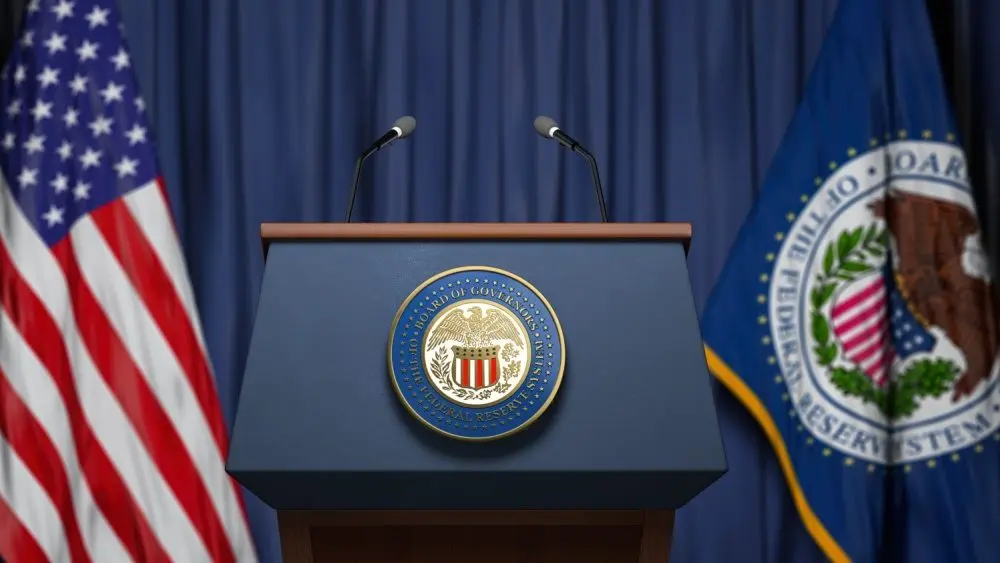
Editorial credit: Maxx-Studio / Shutterstock.com